Technology is most useful when it helps us provide better care. At Lakeside Dental, we use proven dental technology to improve diagnosis, treatment planning, communication, and efficiency. We do not use technology simply because it is new; we use it when it provides better information or helps us provide care more predictably.
Dr. Keith Egan combines these tools with clinical training, experience, and sound treatment principles to determine what makes sense for each patient.
Cone Beam CT (CBCT) Imaging
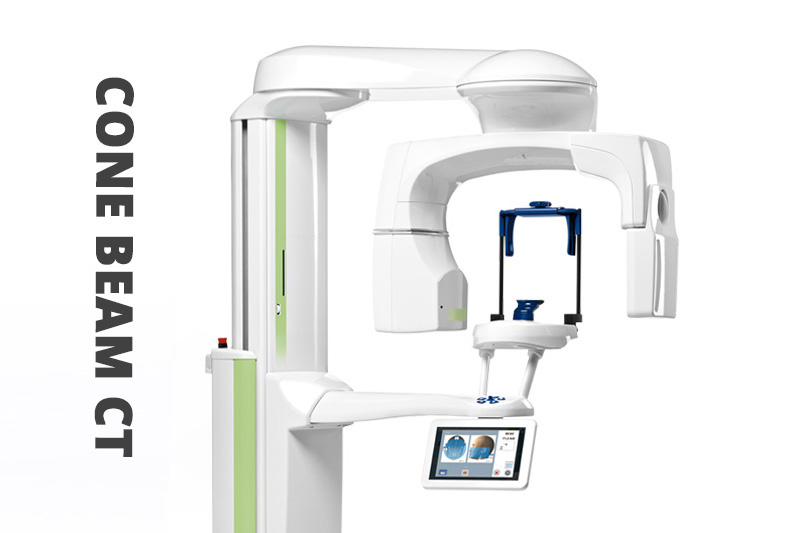
3D Cone Beam CT Scan in Salt Lake City
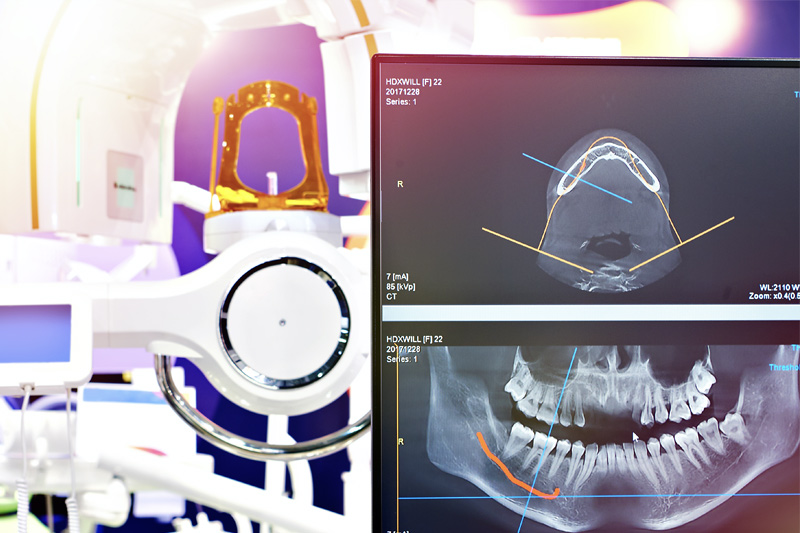
A cone beam CT scan, often called a CBCT, produces a three-dimensional image of the teeth, jaws, bone, and surrounding anatomy. Unlike a traditional two-dimensional dental X-ray, CBCT imaging lets us evaluate structures from multiple angles and better understand relationships among teeth, roots, bone, nerves, sinuses, and other anatomy.
- Dental implant planning and available bone evaluation
- Selected tooth extractions
- Selected root canal or endodontic evaluation
- Impacted or unerupted teeth
- Dental infections, pathology, or other situations where three-dimensional information is useful
Not every patient needs a CBCT scan. We recommend it when the additional information can meaningfully contribute to diagnosis or treatment planning.
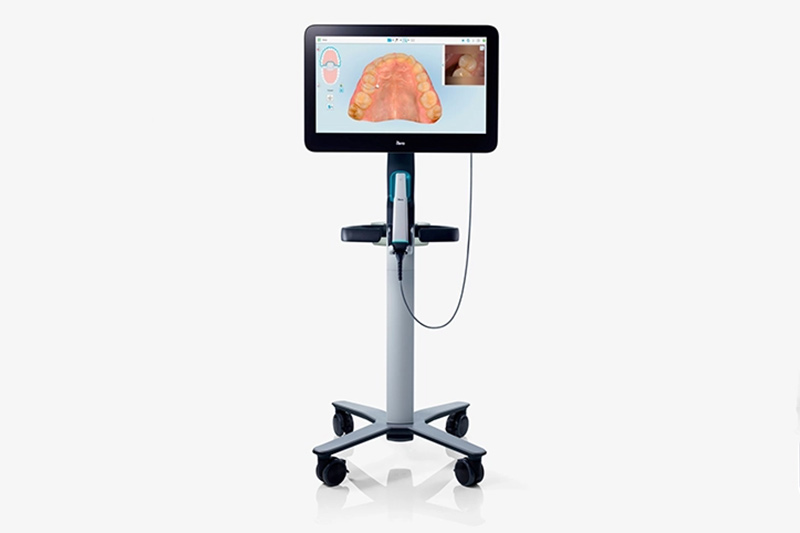
iTero Digital Scanning
The iTero intraoral scanner creates a detailed three-dimensional digital model of the teeth and bite. We may use digital scanning for patient education, Invisalign, crowns and other restorations, implant restorations, retainers and appliances, treatment planning, and communication with dental laboratories. Traditional impressions still have appropriate uses, so we choose the method that fits the procedure.
Digital X-Rays
Digital dental X-rays help us evaluate areas that cannot be fully seen during a visual examination, including decay, bone levels, infections, root anatomy, existing restorations, and developing or impacted teeth. Digital dental X-rays use low levels of radiation, and we take X-rays only when the diagnostic information is expected to be useful. The type and frequency of X-rays should be based on the individual patient's history, symptoms, risk factors, and clinical findings rather than the same schedule for everyone.
Digital Dentistry and Treatment Planning
Digital photographs, scans, X-rays, CBCT imaging, and treatment-planning software can sometimes be combined to give us a more complete understanding of the teeth, bite, bone, and surrounding structures. The technology provides information; it does not make the treatment decision. Dr. Egan evaluates that information along with the clinical examination, patient history, and treatment goals.
Technology and Dental Implants
CBCT imaging and digital scanning can be particularly useful in implant planning. Our goal is not simply to place an implant where bone exists, but to consider the final replacement tooth, function, cleansability, surrounding anatomy, and long-term result when planning implant position.
Better Information, Better Conversations
One of the most useful aspects of dental technology is the ability to show patients what we are seeing. Reviewing an X-ray, CBCT image, or digital scan together can make it easier to explain what we see, why it matters, what options may be available, and why a particular approach is being recommended.