
Dental Crowns in Salt Lake City
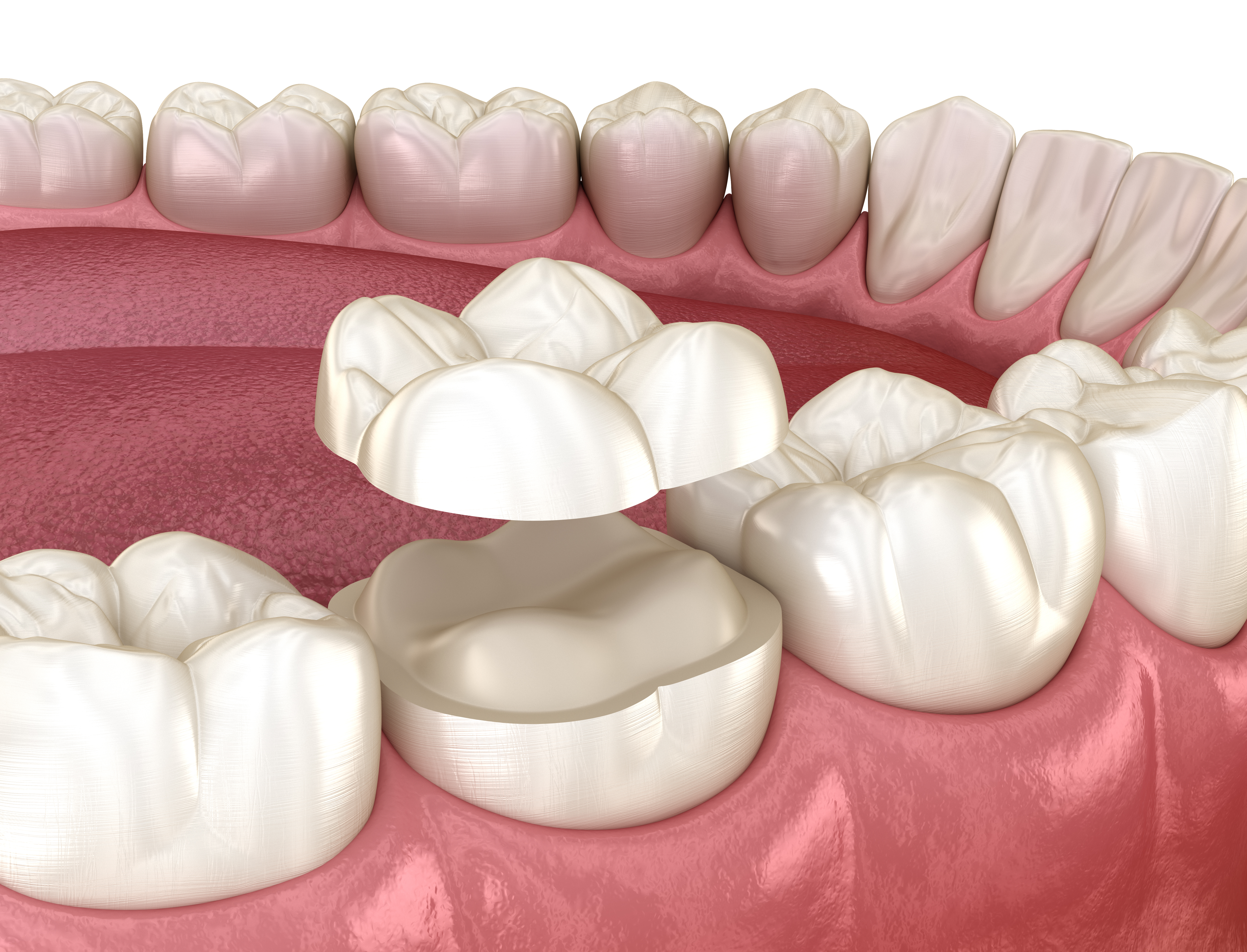
When a tooth has been significantly weakened, damaged, fractured, or restored in the past, a dental crown can help restore its strength, function, shape, and appearance.
A crown covers and protects more of the tooth than a filling. Dr. Keith Egan evaluates how much healthy tooth structure remains, the condition of the tooth, your bite, and the forces placed on the tooth before recommending how it should be restored.
What Is a Dental Crown?
A dental crown is a custom-made restoration that covers the visible portion of a tooth. You may also hear it called a dental cap or tooth cap. Crowns can be made from several materials, and material selection is based on the individual clinical situation.
Why Might I Need a Crown?
- A tooth with a very large filling
- Significant loss of tooth structure
- A cracked or fractured tooth
- A tooth weakened by decay
- A tooth after root canal treatment when additional protection is needed
- Significant wear
- Replacement of an existing crown
- Restoring a dental implant
- Supporting certain bridges
Crown, Filling or Onlay?
The appropriate restoration generally depends on how much healthy tooth structure remains and which treatment is expected to provide the most predictable long-term result for both the tooth and the restoration. Depending on the situation, that may be a filling, an inlay or onlay, or a full-coverage crown.
What Materials Are Used for Dental Crowns?
Dental crowns can be made from a variety of materials, including zirconia, lithium disilicate/e.max, porcelain and other ceramics, as well as gold and porcelain-fused-to-metal (PFM). Each material has different characteristics related to strength, appearance, thickness, bonding, wear, and longevity. While modern ceramics are appropriate for many situations, traditional materials such as gold or PFM can still be excellent choices in certain cases. We select the material based on the tooth being restored, the forces placed on it, esthetic considerations, available tooth structure, and what is most likely to provide a predictable long-term result.
Are Ceramic Crowns the Same as Porcelain Crowns?
Porcelain is one type of dental ceramic, while ceramic is the broader term. "Porcelain crown" remains common patient language, but modern crowns may be made from several ceramic materials.
Do I Need a Crown After a Root Canal?
Sometimes, but not automatically. Root canal treatment addresses the inside of the tooth; the restoration afterward addresses the remaining tooth structure. Many back teeth benefit from additional protection, while some teeth can be restored more conservatively depending on how much healthy structure remains.
Do Old Crowns Need to Be Replaced?
Not simply because they are old. We evaluate crowns for recurrent decay, fracture, deteriorating margins, wear, bite changes, looseness, gum concerns, or other changes. A healthy, functional crown does not automatically need replacement after a certain number of years.
How Long Does a Crown Last?
There is no predetermined lifespan. A well-designed, well-maintained crown can last for many years and sometimes a lifetime. Longevity depends on the underlying tooth, material, bite, grinding or clenching, hygiene, cavity risk, diet, trauma, and maintenance.
Can a Cracked Tooth Be Fixed with a Crown?
Sometimes. A crown can protect and reinforce certain cracked teeth, but prognosis depends on the location and extent of the crack and the condition of the remaining tooth.
Can You Get a Cavity Under a Crown?
Yes. The crown itself cannot decay, but the natural tooth underneath still can, particularly around the margin where the crown meets the tooth. Good home care, including daily brushing and flossing, along with routine dental exams and professional cleanings, can help protect the tooth and allow us to identify problems early.