Emergency Dentistry in Salt Lake City
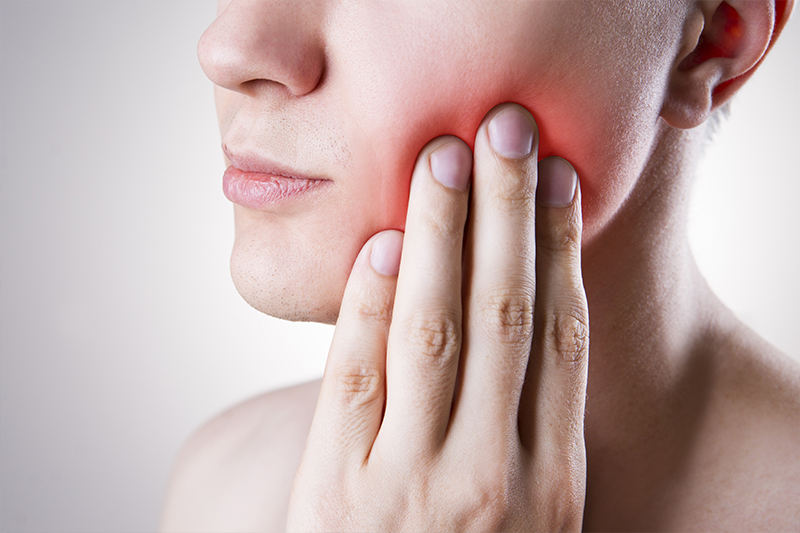
If you're experiencing dental pain, swelling, a broken tooth, or another urgent dental problem, call Lakeside Dental at 801-596-3000.
We make every effort to accommodate dental emergencies as quickly as our schedule allows. You do not need to know exactly what is wrong before calling. Tell us what you're experiencing, and our team can help determine the appropriate next step.
Call 801-596-3000 | Request An Appointment
When Should I Call an Emergency Dentist?
- Toothache or sudden dental pain
- Broken, cracked, or chipped tooth
- Dental swelling
- Broken or lost filling
- Loose, broken, or lost crown
- Dental injury
- Pain when biting or chewing
- Severe or persistent sensitivity
- Loose or knocked-out permanent tooth
When to Seek Emergency Hospital Care
Most dental emergencies are best evaluated by a dentist. However, some symptoms may indicate a more serious infection or injury that requires a higher level of care.
Go to a hospital emergency department rather than an urgent care or InstaCare clinic if you are experiencing:
- Difficulty breathing or swallowing
- Significant or rapidly increasing swelling of the face or neck
- Swelling that is spreading beyond the immediate area of a tooth
- Uncontrolled or severe bleeding
- Significant facial or jaw trauma
- Other symptoms that appear severe or potentially life-threatening
A hospital emergency department can provide a higher level of evaluation and medical support and, when necessary, coordinate care with an oral and maxillofacial surgeon or other appropriate specialist.
For urgent dental problems that may require surgical treatment but are not life-threatening, an oral and maxillofacial surgeon may also be able to evaluate and treat the problem in a private office setting. Availability varies, so calling the surgeon's office first is recommended.
If you are having difficulty breathing or swallowing or believe the situation may be life-threatening, do not wait for a dental office or oral surgeon's office to respond—go directly to a hospital emergency department.
What Happens at an Emergency Visit?
The first priority is figuring out what is causing the problem. Dr. Egan will evaluate the area and may recommend X-rays or other diagnostic imaging. Once we understand what is happening, we'll explain the findings and appropriate treatment options.
Sometimes treatment can be completed during the emergency visit. In other situations, the immediate goal may be to address the urgent problem and schedule additional treatment.
Knocked-Out Permanent Tooth
A knocked-out permanent tooth is time-sensitive. Pick it up by the crown rather than the root. If dirty, gently rinse it without scrubbing. If possible, place it back into the socket without forcing it; otherwise keep it moist and contact a dentist immediately. Do not put a knocked-out baby tooth back into the socket.
Dental Swelling
Swelling around a tooth or in the gums can be associated with infection and should be evaluated. Rapidly increasing swelling, swelling extending into the face or neck, difficulty breathing or swallowing, or other potentially life-threatening symptoms require immediate medical attention.
Can I Get a Same-Day Emergency Dental Appointment?
We make every effort to accommodate urgent dental problems as quickly as our schedule allows. Same-day availability varies, so the best thing to do is call 801-596-3000.
Do You See New Patients for Dental Emergencies?
Yes. You do not need to be an established Lakeside Dental patient to contact us about a dental emergency.
Should I Go to the Emergency Room for a Dental Emergency?
Most toothaches, broken teeth, lost restorations, and other dental problems are best evaluated by a dentist. However, difficulty breathing or swallowing, significant or rapidly spreading facial or neck swelling, uncontrolled bleeding, or significant facial or jaw trauma should be evaluated at a hospital emergency department rather than an urgent care or InstaCare clinic.
For urgent oral surgical problems that are not life-threatening, an oral and maxillofacial surgeon may also be an appropriate option.