
Dental Bonding in Salt Lake City
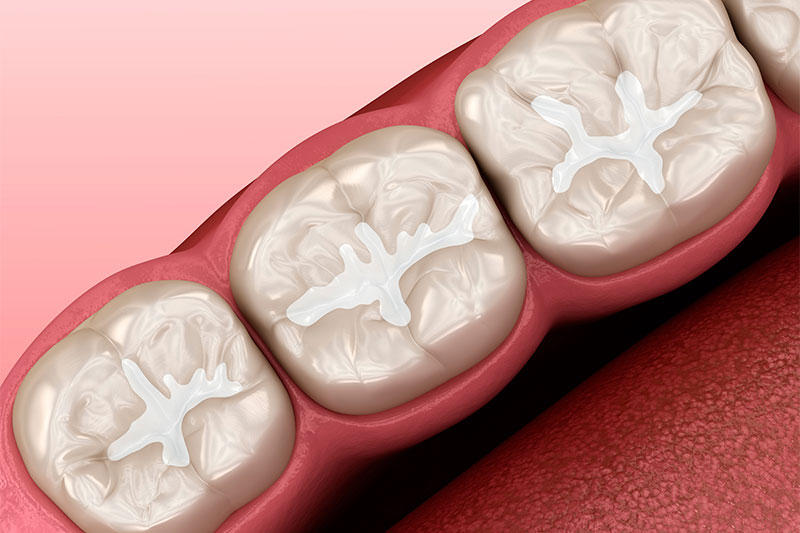
Dental bonding is a versatile cosmetic treatment that can repair chips, reshape teeth, close certain spaces, and make other changes to a smile.
Using tooth-colored composite resin, Dr. Keith Egan can add to or reshape portions of a tooth directly in the dental office. Treatment can often be completed in a single visit and may require little or no removal of healthy tooth structure.
What Is Dental Bonding?
Dental bonding, also called composite bonding or cosmetic bonding, uses tooth-colored composite resin bonded directly to the tooth. When composite is used more extensively to reshape or cover much of the visible surface of a front tooth, the treatment may also be called a direct composite veneer, chairside resin veneer, or direct resin veneer.
Is Bonding Right for Me?
A small chip, uneven edge, space between teeth, or difference in tooth proportion may be well suited to composite bonding. More extensive direct composite treatment can also be appropriate for some patients. Other situations may be better treated with ceramic veneers, Invisalign, whitening, crowns, or a combination of approaches.
Dental Bonding vs. Ceramic Veneers
Both can produce excellent cosmetic results. Dental bonding is created directly on the tooth using composite resin and can be especially useful for conservative changes and repairs. Ceramic veneers are fabricated outside the mouth and may offer advantages for more extensive changes and different surface, wear, and color-stability characteristics.
Ceramic veneers are also commonly referred to as porcelain veneers, although modern veneers can be made from several types of dental ceramics. One approach is not automatically better; the right choice depends on the tooth, patient, and desired result.
How Long Does Dental Bonding Last?
Well-designed and well-maintained bonding can last for many years. Longevity depends on the size and location of the restoration, bite, hygiene, diet, grinding or clenching, and how it is maintained. Composite may sometimes stain, lose polish, wear, or chip, but it can often be repolished, modified, or repaired.
Are Composite Veneers the Same as Dental Bonding?
They are closely related terms. Dental bonding is broad and can describe anything from repairing a small chip to making a larger cosmetic change. A direct composite veneer or chairside resin veneer generally describes a more extensive application of composite over the visible surface of a tooth.
What Is the Difference Between Composite Veneers and Porcelain Veneers?
Composite veneers are sculpted directly on the teeth by the dentist using composite resin. What patients commonly call porcelain veneers are ceramic restorations made outside the mouth, often by a dental laboratory, and then bonded to the teeth. Both can produce excellent results but differ in materials, fabrication, maintenance, repairability, and the situations for which they are best suited.